 Sleep Better Naturally
How to Sleep Better Naturally When Days Get Shorter
Published November 8, 2026 · Sleep Better Naturally editors
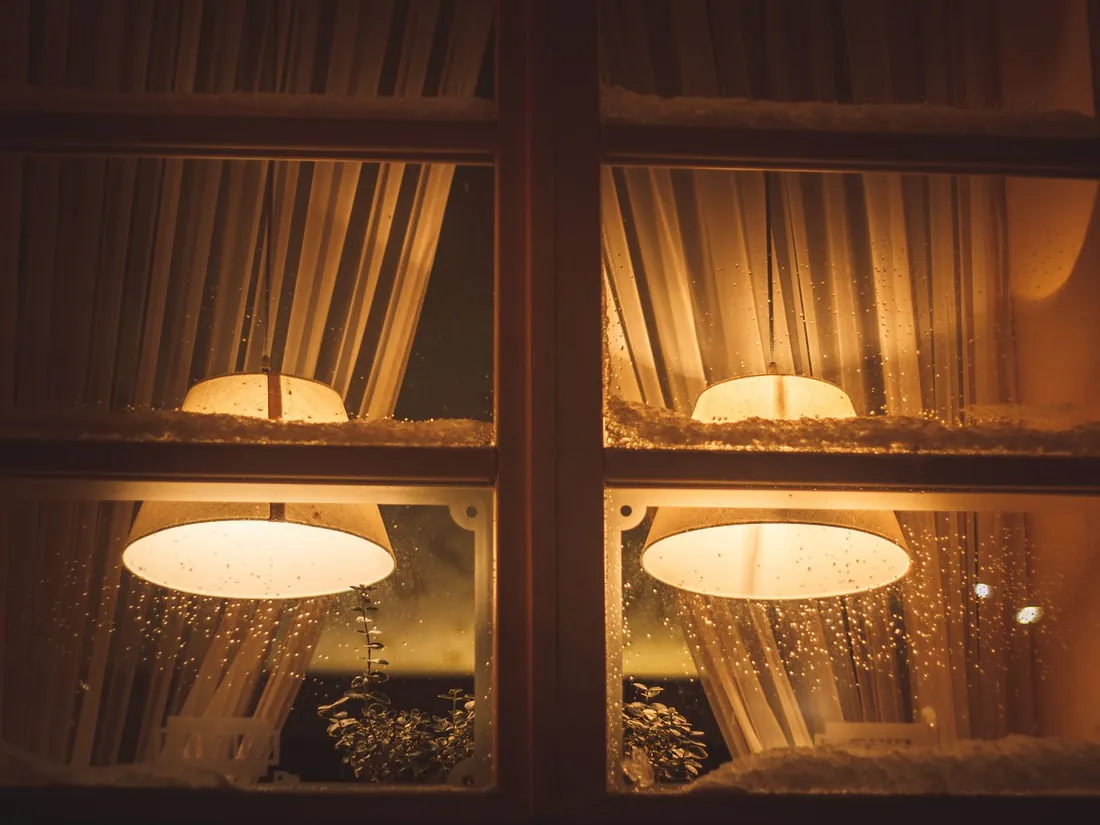
Quick answer: shorter days mean less daylight to anchor your body clock and more hours of artificial light in the evening. To sleep better naturally through November and December, keep wake-up time fixed, use bright light early and dim, warm light late, resist the 5 p.m. couch nap, and keep the bedroom cool even as the heat comes on. If low energy and oversleeping hang on for weeks every winter, ask a doctor about seasonal depression.
By mid-November much of the U.S. sees the sun set around or before 5 p.m., and in northern states the mornings stay dark well past the start of the school run. Your body notices. Many people feel sleepy at 7 p.m., wired at 11 p.m. and groggy at 7 a.m., a pattern that can stick around until spring if you let it.
What shorter days do to your body clock
Your circadian rhythm is your body's roughly 24-hour internal clock. Cleveland Clinic explains that it's run by a small cluster of cells in the brain's hypothalamus, and that light has the biggest influence on it: when light reaches your eyes, your brain gets the signal to stop making melatonin, the hormone that helps you sleep. The National Institute of General Medical Sciences adds that food, stress, activity and temperature play a part too. In winter, two things shift at once: you get less bright light during the day, and you spend more of the evening under lamps and screens. That combination blurs the signal that says "day" and "night."
The evening is where winter sleep is won or lost
Long, dark evenings are new territory compared with summer. A plan for them:
- Two light zones. Keep the kitchen and main living area bright until dinner, then switch to lamps with warm bulbs for the last two hours before bed.
- Screens down, brightness down. If you do use a phone or tablet late, turn the brightness right down and hold it farther from your face.
- Hold off on the early-evening nap. A doze on the couch at 5:30 steals the sleep pressure you need at 10:30. If you must nap, keep it short and early in the afternoon.
- Move dinner and chores, not bedtime. Plan a few small evening tasks so the hours between dark and bed don't turn into a slump.
Keep timing steady
When it's dark at both ends of the day, the clock on the wall is one of the few anchors left. Pick a wake-up time you can keep seven days a week, including weekends and holiday mornings, and let bedtime settle naturally around it. Regular meal times help too, because food timing is one of the cues your body clock uses.
Daylight still matters, even when it's scarce
We've written separately about morning light and exercise, so the short version: whatever daylight you can get, get it early. In winter that might mean a walk at lunchtime instead of first thing, sitting by the brightest window while you work, or stepping outside on your break. Cleveland Clinic notes that light therapy for seasonal depression seems to work best in the morning and that bright light late in the day may cause insomnia, a useful rule of thumb for everyone.
A cooler bedroom in a heated house
Darker evenings usually arrive with the heating season. A bedroom that's warm and still works against the natural drop in body temperature that comes with falling asleep. Cleveland Clinic suggests about 60 to 67°F for most adults. Turn the thermostat down an hour before bed, close heating vents in the bedroom if they run hot, and keep a lighter blanket within reach. For the science of why that small temperature drop matters, read this sleep temperature primer, and for practical room and bedding fixes, see this guide on how to sleep cooler at night.
Is it the season or is it your sleep?
A bit more sleepiness in winter is common. If you're getting enough hours and still waking up tired, it's worth checking what counts as healthy sleep; this guide on what is considered good sleep when you still wake up tired walks through it.
When to see a doctor
Cleveland Clinic describes seasonal affective disorder (seasonal depression) as depression that comes and goes with the seasons, usually starting in late fall or early winter. Symptoms include sadness, low energy, losing interest in usual activities, oversleeping and weight gain. If that sounds familiar, or winter low mood is affecting work or relationships, talk to a healthcare provider: treatments include light therapy, talk therapy and medication. Check with a provider before using a light box if you have diabetes, a retina condition or bipolar disorder; Cleveland Clinic flags these as reasons for caution. If you ever have thoughts of harming yourself, call or text 988 in the U.S.
Sources
- Cleveland Clinic: Circadian rhythm
- National Institute of General Medical Sciences (NIH): Circadian rhythms
- Cleveland Clinic: Seasonal affective disorder
- Cleveland Clinic: The ideal sleeping temperature for your bedroom
The drug-free temperature lever
Good Sleep warms your bed to as much as 110°F in winter and cools it to 62°F in summer, on your existing mattress. No app, no subscription.
See Good Sleep at trygoodsleep.com