 Sleep Better Naturally
Morning Light and Exercise: The Natural Sleep Duo
Published October 21, 2026 · Sleep Better Naturally editors
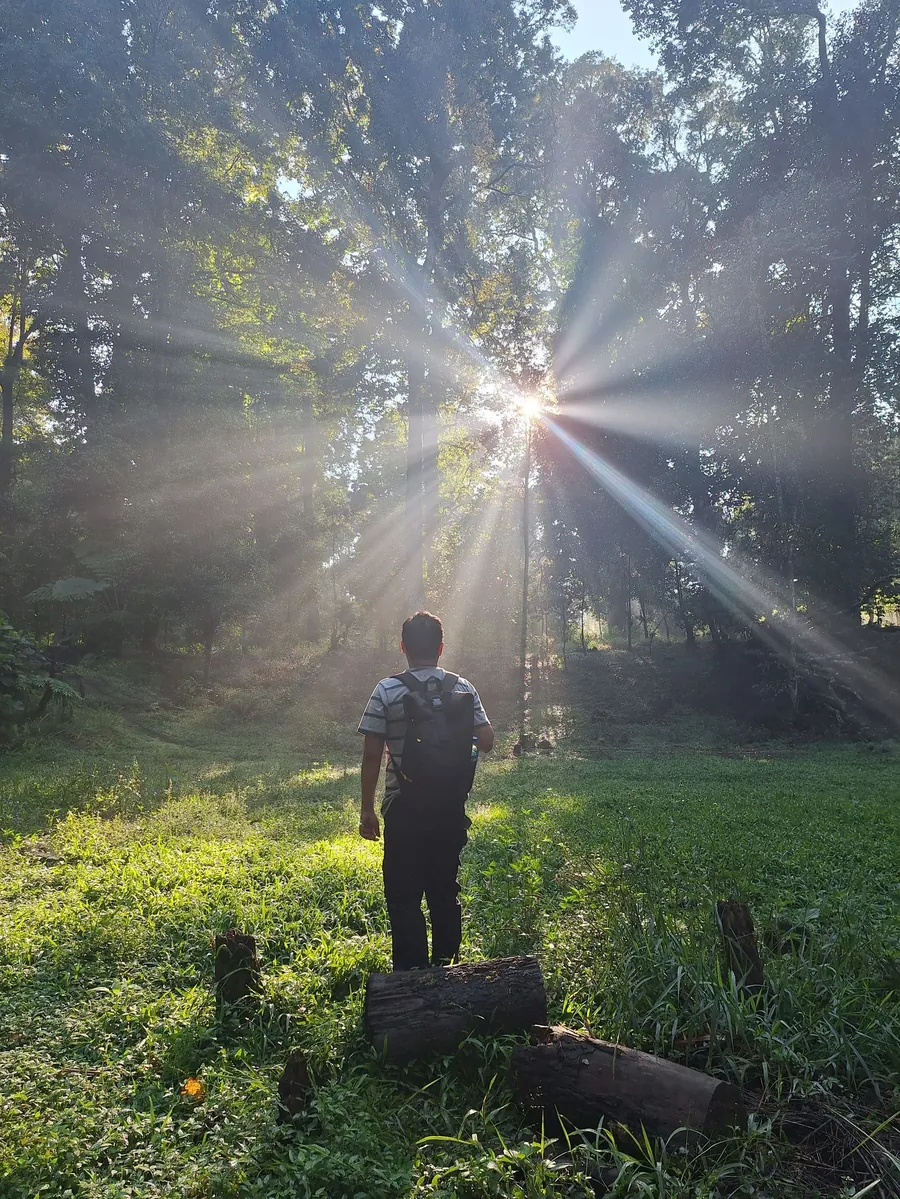
Quick answer: get outside within an hour of waking, ideally for 10–30 minutes, and move most days. A morning walk does both at once. Keep hard workouts earlier in the day.
How morning light helps you sleep at night
Your body clock is set mainly by light. Bright morning light tells it the day has started, which makes you sleepy at a sensible hour that evening. Outdoor light, even overcast, is far brighter than typical indoor light.
How much light?
A practical target is 10–30 minutes outside in the morning, longer on dull winter days. Sunglasses off if it's safe; never look directly at the sun.
Exercise and sleep
Regular activity is linked to falling asleep faster and sleeping more deeply. You don't need a marathon: brisk walking, strength training, cycling or playing with your kids all count.
Timing
- Morning: best for pairing with daylight.
- Afternoon: great for performance.
- Evening: fine if it's gentle; finish hard sessions a couple of hours before bed so your body can cool down.
Recovery happens at night
Good Sleep points out that recovery happens in deep sleep and that cooling is among the ways it aims to extend slow-wave sleep. Its topper cools to 62°F for warm post-workout nights and heats to 110°F in winter. If you're wondering whether water-cooled beds are worth it, start with how water-based bed cooling works, and if falling asleep is the struggle, try this 60-minute wind-down routine.
The drug-free temperature lever
Good Sleep warms your bed to as much as 110°F in winter and cools it to 62°F in summer, on your existing mattress. No app, no subscription.
See Good Sleep at trygoodsleep.com