 Sleep Better Naturally
Dry Air and Sleep: How to Sleep Better Naturally When the Heat Comes On
Published October 29, 2026 · Sleep Better Naturally editors
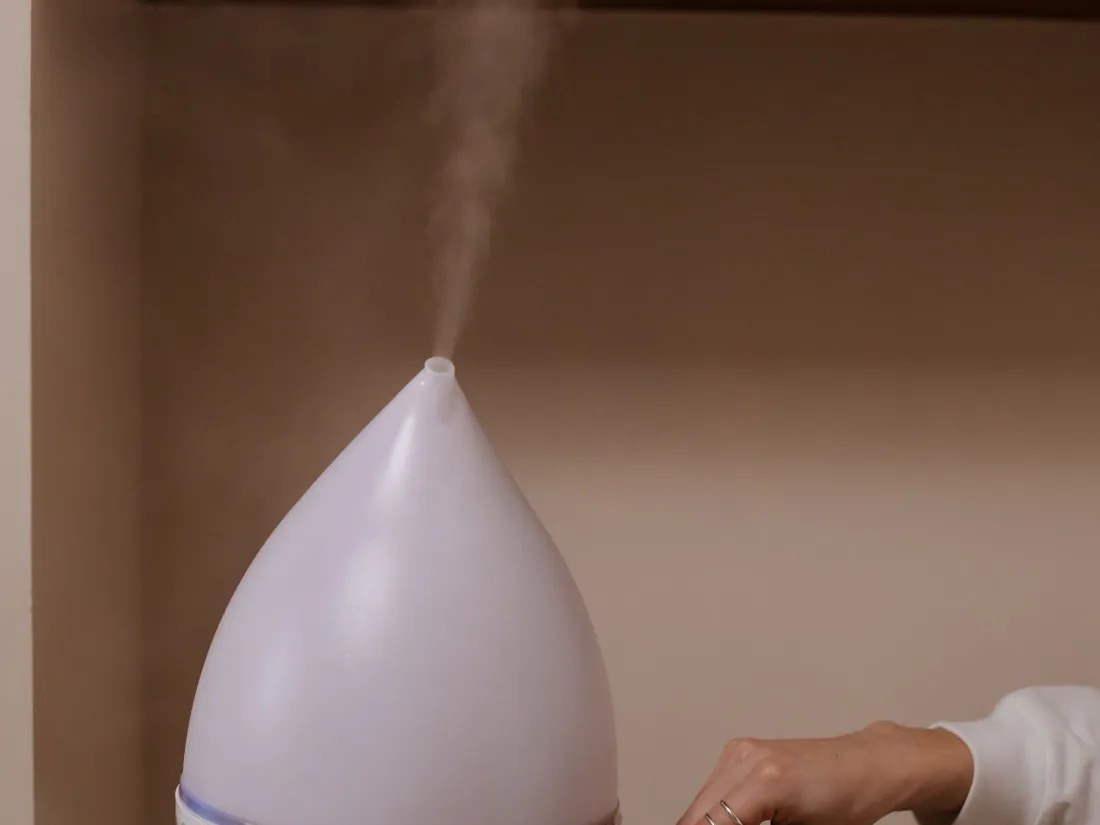
Quick answer: heated winter air can leave your nose, throat and skin dry enough to wake you. Mayo Clinic suggests keeping indoor humidity between 30% and 50%, measured with a hygrometer. A clean humidifier, saline rinses, water through the day and a slightly cooler bedroom are simple, natural ways to sleep better through the dry months.
The first cold snap usually arrives with a familiar set of complaints: a scratchy throat at 3 a.m., a stuffy nose, cracked lips, static in the sheets. Often the cause is the furnace. Heating cold outdoor air lowers its relative humidity, and the bedroom you sleep in for eight hours gets the driest air of all.
How dry air can disturb sleep
- A dry nose and throat can make you wake up thirsty or coughing.
- Dry nasal passages feel stuffy, which pushes some people to breathe through the mouth.
- Itchy, dry skin is harder to ignore when you're lying still.
Step 1: measure before you fix
Mayo Clinic recommends a hygrometer, an inexpensive gauge, to check humidity. The target is 30% to 50%. Above 50%, moisture can condense on windows and walls and encourage mold, so more isn't better.
Step 2: if you use a humidifier, keep it clean
Mayo Clinic's guidance, in short:
- Use distilled or demineralized water rather than tap water, whose minerals can help bacteria grow and show up as white dust.
- Empty the tank, dry it and refill it every day.
- Clean it every three days, for example with 3% hydrogen peroxide, and rinse well.
- Change filters as the maker recommends.
- Don't add essential oils.
- If you have children, skip steam vaporizers; the hot water inside can cause burns if spilled.
If you have asthma or allergies, Mayo Clinic suggests talking with your healthcare provider before using one.
Step 3: natural fixes without a machine
- Drink water through the day, not a big glass right before bed.
- Saline nasal rinse or spray. If you rinse, use distilled, sterile, filtered or boiled-then-cooled water, never water straight from the tap.
- Moisturize at bedtime, and keep a lip balm on the nightstand.
- Turn the heat down at night. A cooler bedroom feels less parched and is better for sleep anyway; Cleveland Clinic suggests roughly 60 to 67°F.
- Close the vent nearest the bed, or point it away, so warm, dry air isn't blowing on your face.
- Choose breathable bedding. Cotton and wool stay comfortable without trapping as much heat.
Warm without overheating
Many people crank the thermostat in winter because the bed feels cold, which dries the air further. Warming the bed instead lets you keep the room cooler. Good Sleep's guide to sleep temperature explains why the bed matters as much as the room. Good Sleep's topper can heat to 110°F (it suggests about 82°F as a start for cold sleepers) and doesn't blow air. You can also compare bed warming and cooling options at 8sleepalternative.com.
The time change is the other big sleep shift this season; here's how to keep good sleep when the clocks fall back.
When to see a doctor
See a healthcare provider if a cough, sore throat or stuffy nose lasts more than a couple of weeks, if you have trouble breathing, or if you snore loudly or wake gasping. Those may not be the dry air at all.
Sources
- Mayo Clinic: Humidifiers: Ease skin, breathing symptoms
- Cleveland Clinic: The ideal sleeping temperature for your bedroom
The drug-free temperature lever
Good Sleep warms your bed to as much as 110°F in winter and cools it to 62°F in summer, on your existing mattress. No app, no subscription.
See Good Sleep at trygoodsleep.com